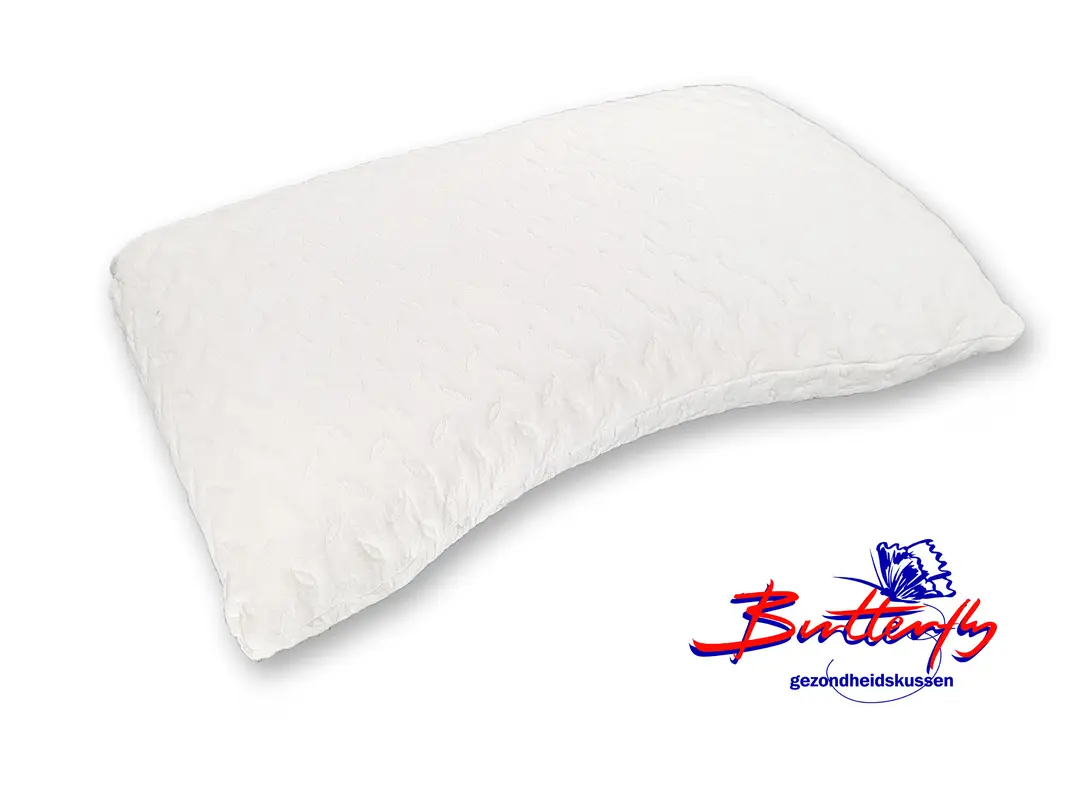
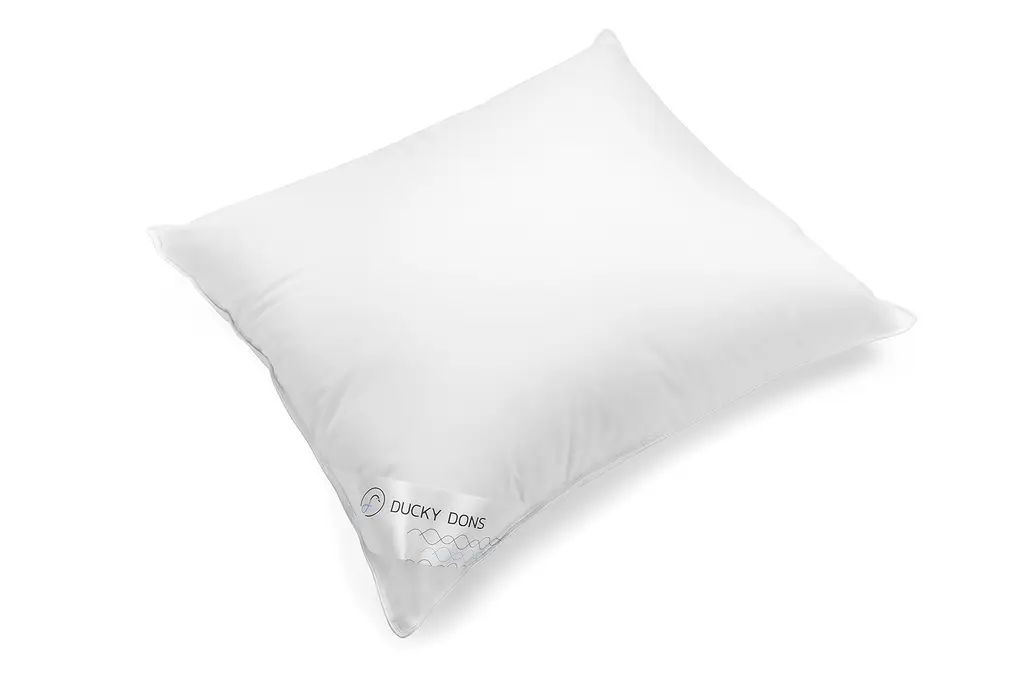
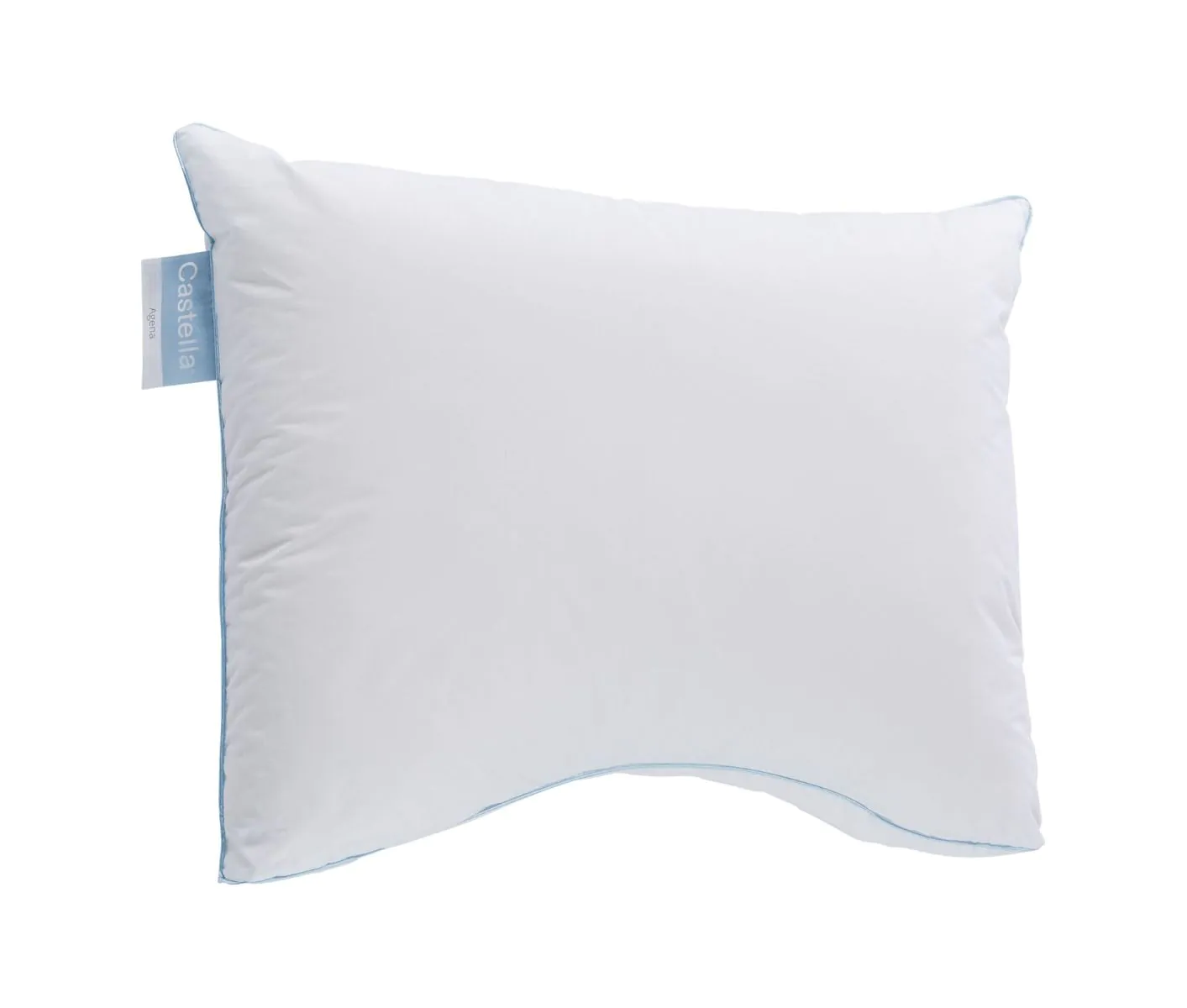
The best way to buy a bed is to lie on it. Schedule a time, and we’ll be happy to help you make your choice
Kapok pillows are a natural alternative for those who like an airy and firm lying feeling. A kapok pillow is filled with kapok fibers, a plant-based material that is naturally resilient and moisture-regulating. Many people consciously choose a pillow with kapok filling because of its durability and the fresh sleeping climate. Compared to foam or down pillows, a kapok pillow feels slightly firmer and holds its shape differently. In the range of Slaapkamer Amsterdam you will find kapok pillows that are suitable for daily use and are easy to maintain, for a natural night's sleep.
Spend an hour in our showroom with Wouter over a cup of coffee. We’ll show you the possibilities for your bedroom and ensure you get a great night’s sleep. Naturally, you’ll also receive expert advice on your mattress.

That works too. Feel free to call or email us with your question, or read about how an appointment works first.
Excellent service from our first meeting right through to delivery. I highly recommend this family business if you are looking for a new bed.
Wouter and his family have not only provided expert guidance on our bed, they have also gone above and beyond in supporting us de- and re-construct our bed when we moved apartments.
We bought a king size bed, mattress & duvet from Wouter & Brigitte. The service from day one has been incredible! A truly well run family business!
Are you looking for a pillow that is completely plant-based and always feels nice and cool? A kapok pillow is one of the most valued natural products in our collection at Slaapkamer Amsterdam. We often recommend kapok to people who tend to get warm in bed quickly. Kapok is a silky, feather-light fiber derived from the fruits of the tropical kapok tree. Did you know that kapok is also known as "plant fuzz"? It offers the fluffiness of down, but with the strength and ventilating properties of a vegetable fiber.
The biggest advantage of choosing to buy a kapok pillow is the unparalleled moisture regulation. An interesting fact: kapok is up to eight times lighter than cotton and is naturally very hygienic. Because the fiber stays so dry, it is an unattractive place for dust mites and bacteria. At Slaapkamer Amsterdam, we see that sleepers who perspire a lot wake up considerably fresher and drier with a pillow filled with kapok than with synthetic alternatives. If you are wondering where kapok comes fromdifferent preferences when it comes to pillow thickness, it is harvested sustainably from the pods of trees in tropical climates, making it a truly eco-friendly choice.
At Slapkamer Amsterdam, we understand that everyone has a different preference when it comes to the thickness of a pillow. One of the best features of our kapok pillows is their adaptability:
To ensure your pillow lasts for years, you need to know how to maintain a kapok pillow. An interesting fact: a kapok pillow should definitely not be washed; this affects the natural wax layer of the fibers, causing them to lose their airiness. However, care is very simple: by shaking up your pillow daily and regularly airing it, you "activate the fibers and make them wonderfully voluminous again.
You really have to experience the unique feeling of kapok — sturdy yet lightweight — for yourself. In our Amsterdam showroom, you can test the kapok pillows and feel how the natural fibers react to your body heat. We would love to show you how to adjust the height to suit your specific sleeping position. Visit Slaapkamer Amsterdam, where our passion for natural materials ensures you receive honest, expert advice. Discover the comfort of sleeping on pure plant down today.
Kapok is a 100% plant-based fiber. It is harvested from the seed pods of the tropical kapok tree, primarily found in regions like Indonesia and South America. These large trees produce pods filled with silky, fluffy fibers that are gathered and processed into the natural padding used in our high-quality pillows.
The main benefits of a kapok pillow are its superior breathability and moisture-wicking properties. Because the fibers are hollow and coated in a natural wax, they don't absorb sweat but repel it. This keeps the pillow cool and dry throughout the night, making it perfect for hot sleepers who prefer firm, natural support.
To maintain a kapok pillow, you should avoid water at all costs. Washing a kapok pillow will ruin the natural wax coating of the fibers. Instead, shake the pillow daily and air it out in direct sunlight regularly. The UV rays and warmth "reactivate" the fibers, restoring their volume and natural freshness.
Yes, a kapok pillow suitable for people with allergies is a great choice. The dry, well-ventilated environment within the pillow is hostile to dust mites. Furthermore, kapok fibers contain a natural bitter substance that acts as an organic repellent against bacteria and pests, providing a clean, hypoallergenic sleeping surface.